WhoDisII
Our theory of change
WhoDis II is the second phase of our initiative, WhoDis and aims to examine the phenomenon presented by its predecessor in further detail. With this new step, we are looking at who are the actors behind the ongoing polarization and erosion of democracy. We are asking: Who are the actors driving divisive narratives? What motivates them? And how do their messages spread and take hold?
In order to adequately combat the threats to our democracies, we must understand the ecosystem behind the threat. For that reason, we have developed a theoretical model: the anti-rights diamond.
This research uses the Anti-Rights Diamond Model to show how populist parties, media, religious groups, and financial actors collaborate to turn fear into influence and power. They frame rights movements as threats to identity, fueling division and extremism. Fear-driven narratives polarize society, erode the middle ground, and create demand for authoritarian leadership,paving the way for autocratic control, backed by oligarchs seeking profit and long-term influence through deregulation and manipulation.
The methodology
To uncover how divisive narratives spread, WhoDis II combined digital analysis with qualitative mapping to trace disinformation back to its sources. Researchers analyzed Dutch social media, tracking how users are funneled toward extremism and how political, religious, and financial actors coordinate. The study revealed how real-world events trigger online outrage, pushing fringe ideas mainstream. JfP’s early-warning system now identifies where this cycle can be disrupted to prevent real-world harm.
The actors
Populist leaders like Geert Wilders and Thierry Baudet exploit fears around immigration, crime, gender, and sexuality to fuel campaigns and shape policy. Media outlets such as Ongehoord Nederland, De Dagelijkse Standaard, and De Andere Krant amplify their narratives, echoed by influencers like Eva Vlaardingerbroek. Faith-based groups like Civitas Christiana and Schreeuw om Leven frame rights issues as moral threats, while street groups like Defend Netherlands, Pegida Nederland, and White Lives Matter NL drive public spectacle, backed by hidden financial networks.
The motivations
Populist politicians gain power by fearmongering about immigrants and crime, while media entrepreneurs and influencers profit from spreading outrage. Religious groups stir moral panic around “traditional family values” to gain influence and donations. Funders and lobbyists, whether genuine or strategic, align with these beliefs for political gain. All actors in the Anti-Rights Diamond benefit from exploiting social anxieties, scapegoating vulnerable groups, and profiting from disinformation, polarization, and financial kickbacks.
The ecosystem of amplification
This movement’s danger lies in its interconnected ecosystem: politicians legislate, media and influencers spread, religious groups provide moral certainty, and street movements dramatize. Dutch actors link domestic and global culture wars, amplifying each other’s messages. Wealth sustains this cycle, pushing fringe ideas into mainstream debate and policy. Narratives paint Dutch society as under siege, framing immigration, LGBTIQ+ rights, and crime as existential threats—fueling a demand for strong, authoritarian leadership.
The social media platforms
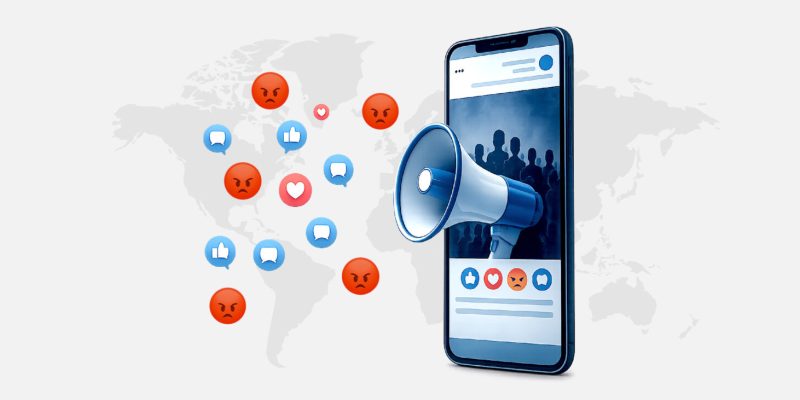
WhoDis II uncovers the intricate connection between online discourse and offline politics across major social media platforms, demonstrating how algorithms amplify outrage and real-world events. JfP’s researchers went beyond observation to identify key actors driving unrest, revealing distinct dynamics on each platform.
On Twitter/X, Musk’s “anti-woke” AI chatbot and algorithmic biases favor right-wing and far-right content, making it an outlier in ideological skew. Instagram tells a different story, with strong engagement around climate activism, especially during high-profile protests like the A12 blockades, showing how offline actions feed online visibility and polarization. TikTok’s political hashtags reveal growing right-wing populist support, with comments endorsing anti-immigration messaging ahead of the 2025 elections.
Together, these platforms form a coordinated amplification ecosystem where populist opportunism, media spectacle, religious narratives, and financial backing push fringe ideas into mainstream politics, threatening democratic institutions. By mapping these actors and their strategies, WhoDis II offers a nuanced, systemic tool that equips civil society, government, and media to confront polarization and disinformation with greater precision and foresight.