The global fight for human rights is no longer a steady path forward—it’s a contested battlefield. Authoritarian states and conservative alliances are strategically exploiting international institutions and local structures to reshape norms, silence dissent, and expand their power. This report reveals how sexual and reproductive health and rights (SRHR) are being instrumentalised to serve political, financial, and ideological agendas.
The investigation provides insight into how these actors leverage identity, culture, heritage, and even human rights standards to destabilise democratic governance and undermine international cooperation.
Key Findings and Conclusions
Anti-rights actors—including authoritarian regimes, conservative networks, and extremist religious movements—are:
- Manipulating democratic mechanisms to normalise regressive ideologies
- Instrumentalising SRHR issues to destabilise societies and reshape governance
- Capitalising on economic and cultural vulnerabilities
- Using religion as a powerful tool to frame human rights backsliding as a return to “tradition”
- Targeting civil society with legal repression, disinformation, and systemic attacks
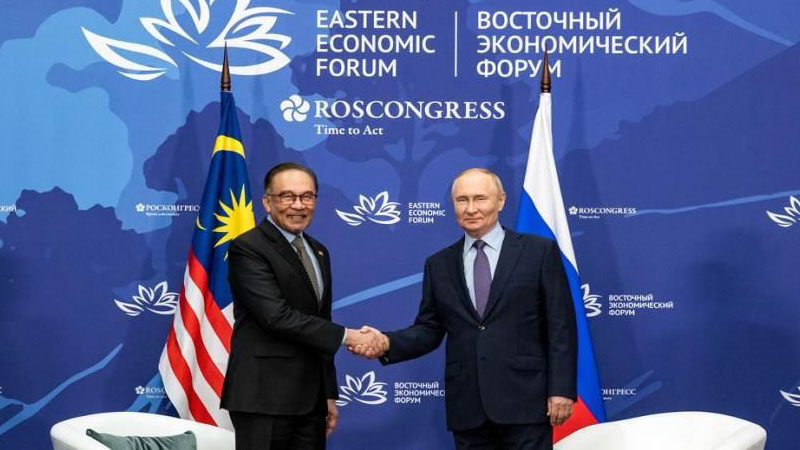
The movement is not isolated nor organic; it is deeply connected to foreign state interests—most notably Russia and China—who use soft power and funding to promote traditionalist values while expanding geopolitical influence in resource-rich but politically unstable regions.
Examples from the Region
- In PNG, religious organisations connected to foreign actors limit women’s rights and shape societal norms.
- In the Solomon Islands, financial incentives are tied to anti-rights campaigns, empowering local elites to benefit politically.
Global Strategic Missteps
- Appeasement: A tolerance of violations has emboldened anti-rights actors.
- Focus on public diplomacy: Overlooking covert “back-door” destabilisation efforts has allowed deeper infiltration.
Recommendations
To counter these trends, JfP makes four strategic recommendations, urging progressive democratic governments to adopt a comprehensive, cross-sectoral strategy.
Recommendation 1: Early Detection
- Track the infiltration of anti-rights actors in multilateral spaces and domestic lawmaking.
- Monitor the rise of discriminatory legislation such as “foreign agent” laws and anti-LGBTIQ+ policies.
- Promote transparency, strategic litigation, and public awareness campaigns.
Recommendation 2: Continuous Investigations
- Build a centralised investigative capacity to stay ahead of anti-rights actors’ evolving tactics.
- Enable coordinated civil society responses based on consolidated intelligence.
Recommendation 3: Going Cross-Pillar
- Frame the anti-rights agenda as a national security threat.
- Create multi-agency task forces with law enforcement, regulators, and civil society.
- Engage multilateral platforms to align and strengthen global resilience.
Recommendation 4: Supporting Local Organisations
- Invest in local civil society organisations as frontline defenders of democratic values.
- Strengthen coalitions across gender, democracy, and anti-corruption movements.
- Use media and tech expertise to counter anti-rights narratives and disinformation.
- Enhance NGO capacity in media literacy, cybersecurity, and digital reporting tools.
Conclusion
The rise of anti-rights influence is not a cultural shift—it is a deliberate campaign to weaken democracy and human rights through manipulation, intimidation, and disinformation. A coordinated, international, and cross-sectoral response is essential to safeguard democratic values, civil liberties, and global stability.